
Students entering funeral service education want to know what daily training actually looks like. One essential area of focus, embalming, provides future funeral professionals with a direct connection to the scientific, technical, and human-centered aspects of the profession.
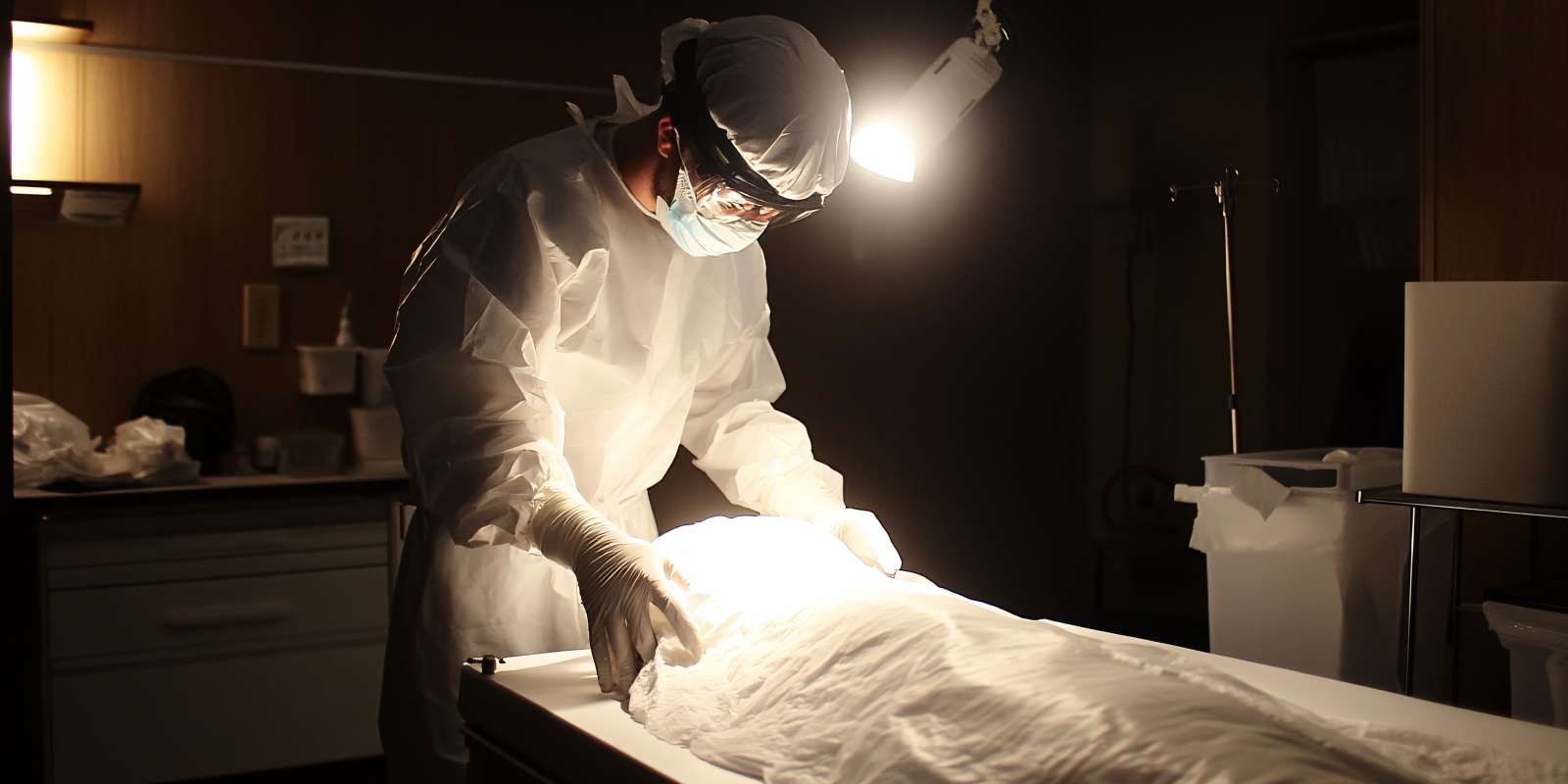
Modern funeral service training programs use embalming education to teach preservation methods, restorative care, sanitation practices, legal standards, and professional judgment in real preparation-room settings.
The growth in popularity of cremation and personalized memorial services has changed parts of the profession, but embalming still holds an important place in funeral service curriculum planning (opens in a new window). Additionally, funeral homes continue to serve families requesting viewings, traditional services, transportation preparation, and restorative care.
Funeral professionals need the knowledge and practical experience to serve those needs with professionalism and respect.
| In This Article: Learn how embalming fits into today’s funeral service curriculum and why it remains an important part of career-focused funeral education. |
|---|
Why Embalming Remains Part of Funeral Service Education
Funeral service education (opens in a new window) blends science, communication, ethics, and technical preparation into one field of study. Embalming in funeral service education connects those disciplines in a practical learning environment.
Embalming training for students covers topics such as:
- Human anatomy and physiology
- Microbiology and pathology
- Sanitation and infection-control procedures
- Chemical safety and ventilation practices
- Restorative art training
- Legal documentation and authorization requirements
Programs accredited through the American Board of Funeral Service Education (opens in a new window) also connect embalming education to licensure preparation. National Board Examination content includes embalming theory, restorative art, pathology, anatomy, and microbiology, and embalming instruction is closely tied to professional advancement.
Hands-On Training Builds Professional Confidence
Classroom instruction provides students with scientific knowledge, while supervised laboratory work helps them apply those concepts in real-world settings. Training programs for careers in funeral service often include embalming case reports, restorative art labs, and faculty-guided preparation experiences.
Students gain experience to prepare them for the industry using:
Preservation and Sanitation Procedures
Preparation-room training teaches students how preservation methods support respectful care of the deceased. Coursework also introduces sanitation standards, ventilation systems, personal protective equipment, and chemical handling procedures used in funeral homes today.
The Occupational Safety and Health Administration standards related to bloodborne pathogens (opens in a new window) and formaldehyde exposure are part of modern mortuary science education. Learning proper workplace procedures helps students understand why preparation-room safety matters in daily funeral home operations.
Restorative Art Techniques
Restorative art training focuses on appearance, tissue changes, feature setting, and cosmetic application. Families who choose a public viewing often value a peaceful and natural presentation of their loved one.
Students in mortuary science courses study how restorative techniques support the emotional experience of funeral services. Proper preparation requires steady focus, careful handling, and the professional judgment needed to complete each step with respect.
Public Health and Ethical Responsibility in Embalming Education
The education requirements for a modern funeral director (opens in a new window) include legal and ethical instruction alongside technical preparation. Students learn when embalming may be appropriate, when refrigeration may be used, and when public health guidance limits preparation procedures.
Federal Trade Commission Funeral Rule standards (opens in a new window) also play a role in modern funeral service curricula. Funeral professionals must communicate honestly with families regarding embalming choices, authorization forms, and service options.
Modern funeral service education teaches students that embalming is never a one-size-fits-all decision, as cultural traditions, religious preferences, family wishes, and health guidance all influence preparation choices. Professional judgment develops through classroom discussion, faculty instruction, and supervised clinical experience.
Guidance from the Centers for Disease Control and Prevention for certain infectious diseases also demonstrates why funeral professionals need strong preparation and case assessment skills. Some situations may prohibit embalming entirely (opens in a new window), while others require advanced precautions and protective equipment (opens in a new window).
Students gain a clear understanding of how public health recommendations shape the day-to-day decisions, safety practices, and service protocols used inside funeral homes.
How Embalming Supports Career Readiness
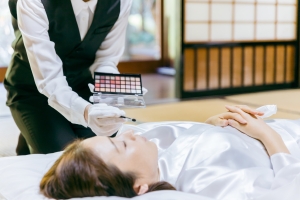
Many students entering funeral service education are looking for stable, meaningful careers (opens in a new window) that combine technical skills with service to others. Through embalming education, students build the practical confidence, professional habits, and communication abilities needed to prepare for funeral service work.
Funeral homes often seek graduates who understand preparation procedures, documentation standards, family interaction, and workplace safety expectations. Employers also value graduates who can adapt to different service preferences and cultural practices.
Modern mortuary science education reflects changes within the profession while still respecting longstanding funeral traditions. Students may encounter traditional burial services, cremation, memorials, ship-out arrangements, or restorative preparation work during their careers.
Exposure to embalming in funeral service education helps prepare graduates for a broad range of responsibilities in funeral homes.
Build Your Future in Funeral Service With AAMI
A strong funeral service education should prepare students for real-world funeral home environments while supporting long-term career goals. American Academy McAllister Institute offers a respected associate degree in funeral service designed for students seeking flexible learning options, professional instruction, and career-focused preparation.
AAMI’s online and hybrid learning opportunities allow students to pursue funeral service training while balancing work, family, and personal responsibilities. Our experienced faculty, supportive student services, and a curriculum grounded in funeral service tradition help students develop the knowledge and practical skills needed for licensure and professional growth.
Start building a meaningful future in funeral service with an education designed around professionalism, flexibility, and student success. Start your path toward a professional funeral service career by applying to AAMI (opens in a new window) to prepare for work that families truly depend on.