
The funeral service industry is changing. Families are increasingly looking for ceremonies that can be personalized, environmentally conscious burial choices, digital planning tools, and services that reflect a wider range of beliefs.
Funeral service education (opens in a new window) must respond to these shifting expectations, while still preserving the scientific knowledge and compassionate communication the profession has long required.
| In This Article: New trends are reshaping funeral service in surprising ways. Find out how technology, sustainability, and changing family preferences are influencing the education future funeral professionals receive. |
|---|
Personalization Is Changing the Arrangement Process
Families want funeral and memorial services to represent the person being remembered. Music, photographs, personal objects, video tributes, customized readings, and meaningful locations can all help create an experience grounded in the individual’s life.
A 2025 global study found that personalized music, photo tributes, flowers, and personal eulogies ranked among the service elements consumers (opens in a new window) valued most. Nearly 96% of respondents also described funerals as healing experiences.
These findings highlight the importance of personalization. Thoughtful details can help mourners recognize the person’s unique identity, share memories, and begin processing a loss.
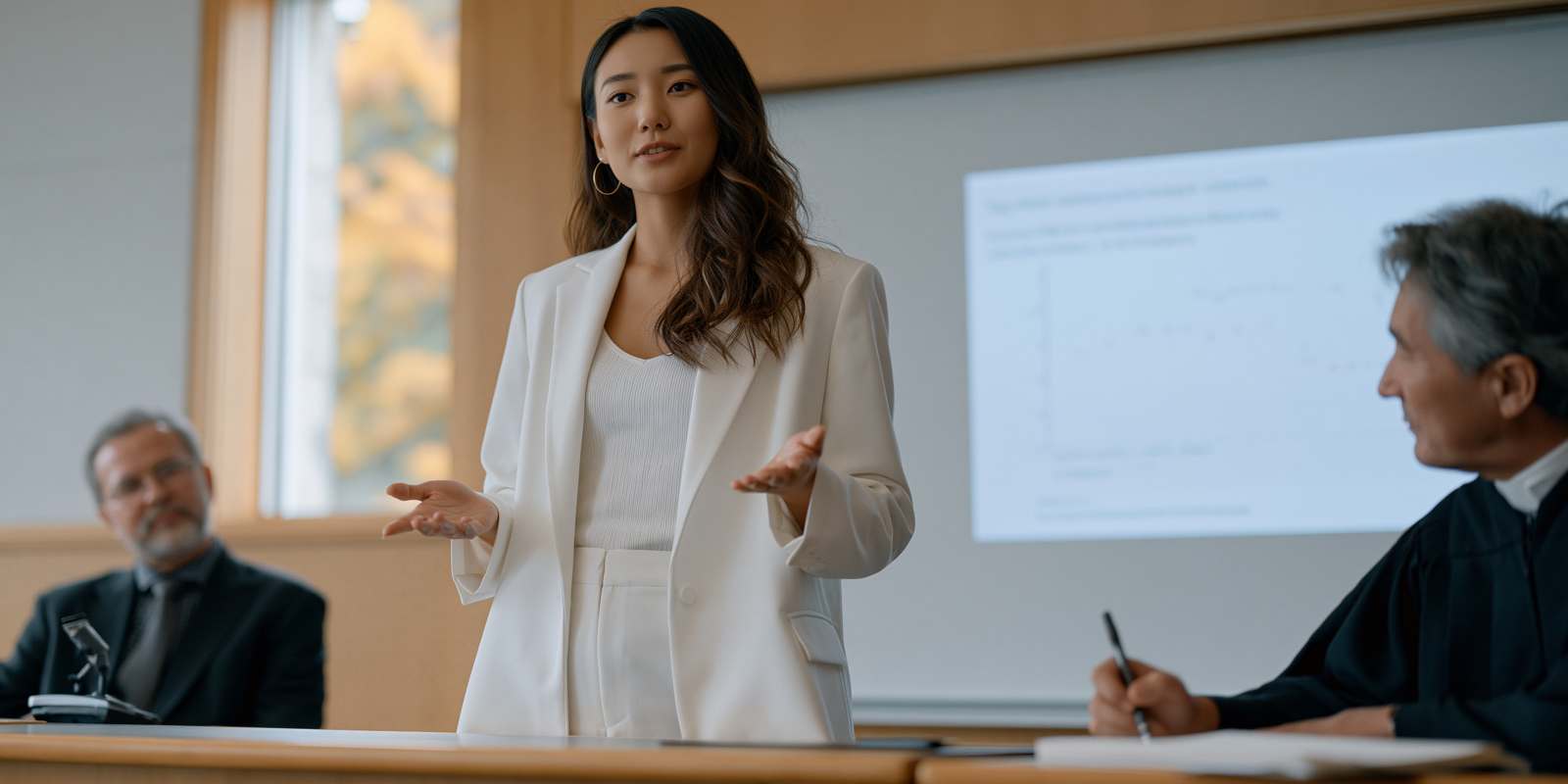
Current funeral director training trends reflect this change. Students need practice asking open-ended questions, listening carefully, explaining available options, and turning a family’s wishes into an organized ceremony. Preparation can also include grief psychology, conflict resolution lessons, understanding of various cultural customs, and communication with clergy or celebrants.
Green Burial Interest Is Expanding
Environmental concerns are influencing decisions about burial, embalming, containers, cemetery practices, and land use. A 2025 consumer study found that 61.4% of surveyed Americans age 40 and older were interested in considering green burial trends funeral service (opens in a new window) or natural burial options.
Natural burial commonly involves biodegradable containers or shrouds, limited chemical use, and burial without concrete or plastic vaults. Hybrid cemeteries, natural burial grounds (opens in a new window), and conservation burial grounds may operate under differing guidelines.
Growing interest in eco-friendly burial practices is another area where funeral professionals need clear education. Families may arrive with limited information or assume that every form of disposition has the same environmental impact.
A knowledgeable funeral director can explain available choices without making unsupported claims. A modern curriculum may address:
- Embalming-free care and temporary preservation
- Biodegradable caskets, urns, and shrouds
- Cemetery policies and local availability
- Transportation and refrigeration considerations
- Differences among natural, hybrid, and conservation burial grounds
- Accurate communication about environmental benefits and limitations
Instruction in green burial trends within funeral service helps students discuss these preferences respectfully while accounting for laws, facility policies, timing, and practical care requirements.
Technology Is Reshaping Funeral Home Operations
Digital tools now influence how families find providers, request information, complete paperwork, plan ceremonies, and include distant relatives. One study found that nearly 30% of surveyed families completed all funeral arrangements online, while close to 64% said they would arrange livestreaming for relatives who couldn’t attend in person.
Professional guidance still holds significant value. Nearly half of consumers who planned online needed help from a funeral director, and 31.8% preferred a hybrid process that combined digital planning with direct consultation.
These findings demonstrate how technology in funeral homes can complement human care, not replace it. Online forms may increase convenience, but grieving families still need explanations, reassurance, and compassionate guidance.
Students entering the profession may work with arrangement software, electronic records, online obituaries, payment systems, livestream platforms, social media, and digital documents. Training should address privacy, professional video communication, accurate recordkeeping, and contingency planning when equipment fails.
Funeral professionals must also provide accurate pricing information, explain itemized choices, and communicate consistently across websites, telephone calls, email, and in-person meetings in accordance with the FTC Funeral Rule (opens in a new window).
Cultural Attitudes Are Broadening Service Options
Many Americans are becoming more open to discussing death and planning ahead. A generational consumer study found that 91% of respondents considered conversations about death healthy and normal, although discomfort remains common.
Religious and cultural funeral preferences (opens in a new window) are also increasingly varied. Some families want traditional rites led by clergy. Others prefer secular ceremonies, blended customs, informal celebrations, or private gatherings. Mixed-belief households may need help creating a service that respects several viewpoints.
Effective preparation teaches students to ask respectful questions without relying on assumptions. Funeral professionals may need to coordinate ritual washing, specific burial timelines, prayers, viewings, readings, or secular tributes.
The Modern Mortuary Science Curriculum Is Multidisciplinary
Scientific and technical ability remains foundational to mortuary science education (opens in a new window). Embalming, restorative art, anatomy, microbiology, public health, and disposition procedures all contribute to safe and dignified care.
Current professional expectations also require knowledge of psychology, law, ethics, business, communication, technology, and ceremony planning. The American Board of Funeral Service Education accreditation standards (opens in a new window) outline required instruction in funeral directing, cremation, arrangement conferences, management, grief, merchandising, legal responsibilities, and professional communication.
A strong funeral service program brings these subjects together so graduates can make sound decisions in real situations. Families rarely arrive with needs that fit neatly into one academic category.
A single arrangement may involve emotional support, legal authorization, understanding of specific cultural traditions, financial discussions, digital participation, and coordination with several outside organizations.
Train for a Profession That Never Stands Still

Current funeral service industry trends point toward a profession shaped by change. Future funeral directors will need technical competence alongside empathy, adaptability, sound judgment, and clear communication.
AAMI’s Funeral Service associate degree program combines rigorous academic preparation with flexible online and hybrid learning options for qualifying students. Our career-focused approach respects funeral service traditions while preparing students for the expectations shaping the profession today.
Apply to AAMI today (opens in a new window) and take the next step toward a meaningful career supported by trusted instruction and dedicated student support.