


Students interested in funeral service education might be tempted to compare a traditional campus experience with the flexibility of earning a mortuary science degree online.
Both learning paths prepare students for professional licensure and long-term careers in funeral service, though the day-to-day experience can look very different. Demand for online funeral service education (opens in a new window) has expanded as working adults, military veterans, and career changers search for flexible academic options that fit their schedules.
According to the U.S. Bureau of Labor Statistics, funeral service workers generally need an associate degree in funeral service or mortuary science (opens in a new window) before entering the field. Most states also require licensure, which may involve exams, apprenticeships, and supervised training. Those professional standards apply to online and traditional programs alike.
| In This Article: Compare online funeral service education with traditional classroom programs and find out how each format supports hands-on learning, career readiness, and professional licensure. |
|---|
Flexibility Changes the Student Experience
One of the biggest differences between online mortuary science programs and traditional campus programs is scheduling flexibility. Traditional programs usually follow fixed class times that require students to attend lectures and labs in person several days each week.
A flexible mortuary science degree earned online gives students greater control over when and where they complete coursework. Many students continue working while attending school, which makes remote learning appealing for people balancing employment, parenting responsibilities, or military transitions.
Lecture materials, discussion boards, assignments, and exams are often housed in online learning systems that students can access from home. Self-paced elements may also help students spend more time reviewing difficult topics such as pathology, restorative art, or funeral law.
Reduced commuting time can make a meaningful difference as well. Students living far from a funeral service college may avoid relocation costs, transportation expenses, and long daily drives, though for those who do choose to relocate, student shipping (opens in a new window) services can help reduce the logistical burden of moving belongings to campus.
Online Learning Still Includes Hands-On Training
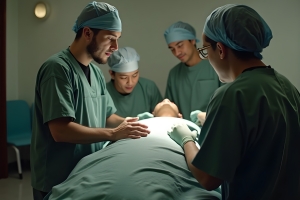
A common misconception about funeral service education online is that students complete every part of the program remotely. Funeral service remains a profession grounded in practical training, clinical skill development, and supervised experience.
Accredited online mortuary science degree programs (opens in a new window) still require students to participate in hands-on learning components tied to embalming, restorative art, and preparation procedures. Some schools coordinate local partnerships, clinical placements, or on-campus lab sessions to meet those educational standards.
Traditional campus programs can provide immediate access to embalming labs and in-person demonstrations throughout the semester. Online programs may organize those experiences in shorter in-person residencies or approved training locations closer to the student’s home area.
Students researching embalming training online programs should pay close attention to how practical instruction is delivered. Learning formats vary between institutions, and state licensing boards may have additional requirements tied to clinical education hours or apprenticeships.
Accreditation and Licensing Matter in Every Format
Accreditation remains one of the most important factors when comparing online funeral director programs with traditional campus options.
The American Board of Funeral Service Education is recognized as the main accrediting organization for funeral service education programs across the United States, and it lists 58 accredited funeral service degree programs (opens in a new window) nationwide, including schools that offer distance education. Accreditation helps students confirm that a program meets recognized educational standards tied to funeral service training and licensure preparation.
State licensing requirements also deserve careful attention before enrolling in any mortuary school. Funeral service licensing standards vary across the country, and the National Funeral Directors Association advises students to contact their state licensing board (opens in a new window) for current requirements.
The National Board Exam (opens in a new window) is administered by the International Conference of Funeral Service Examining Boards and includes arts and sciences content related to law, counseling, embalming, pathology, restorative art, and other funeral service subjects.
Students attending either online or traditional programs generally prepare for the same professional examinations.
Traditional Programs Offer Structured Campus Learning

Traditional mortuary science programs continue to appeal to students who prefer face-to-face instruction and daily classroom interaction. Some learners thrive in structured academic environments where instructors, labs, and classmates are physically present throughout the week.
Campus-based learning may create stronger opportunities for immediate mentorship, live demonstrations, and peer collaboration during laboratory work. Students entering funeral service directly after high school sometimes prefer the routine and accountability associated with an in-person program.
Hands-on learners may also appreciate consistent access to campus facilities and faculty guidance. Funeral service education includes emotionally sensitive subject matter, and some students feel more comfortable discussing difficult topics in person.
Choosing the Right Educational Path
Students debating a mortuary science degree online vs. a traditional learning experience should think carefully about their schedules, learning preferences, career goals, and state licensure requirements. One format isn’t automatically better for every student.
Online funeral service education can provide accessibility and flexibility for students managing work or family obligations. Traditional programs may suit learners who prefer direct classroom interaction and fixed academic routines.
Career preparation, accreditation, and student support should remain central considerations regardless of format. American Academy McAllister Institute offers a respected associate degree in funeral service, designed for students seeking flexible learning opportunities paired with professional instruction and career-focused guidance.
Students interested in a meaningful, stable career in funeral service can apply to AAMI (opens in a new window) to begin training for a profession grounded in compassion, professionalism, and community service.