Modern mortuary science education reflects the realities of a profession grounded in the scientific precision, regulatory structure, and service orientation that define the industry.
Technology in funeral service education now shapes how students learn embalming, restorative art, grief communication, and funeral home management, connecting academic instruction with hands-on, real-world application. Mortuary science training technology supports flexible access while maintaining structured assessments and documented outcomes.
A combination of digital platforms, simulation tools, and workflow-based assignments are now preparing students for both technical precision and operational responsibility in contemporary funeral homes.
| Modern Funeral Education: Discover how technology and hybrid learning expand access and strengthen training in funeral service programs. |
Why Technology Has Become Central to Effective Funeral Service Training
Funeral service is one of the select healthcare-adjacent professions where technical procedures, regulatory requirements, and high-empathy communication intersect daily. Classroom lectures alone cannot fully prepare students for that blend of expectations, particularly when procedural repetition and documentation are required.
Repetition strengthens procedural confidence, especially in embalming education. Digital learning in mortuary school allows students to rehearse sequencing, instrument selection, identification checks, and safety protocols multiple times before stepping into a supervised clinical setting.
Accreditation standards reinforce this direction. ABFSE-accredited programs are expected to document measurable learning outcomes, demonstrate appropriate technological resources, and maintain quality distance instruction; structured digital assessments and competency tracking systems help support those expectations.
Day-to-day funeral work now runs through software platforms that manage cases, paperwork, scheduling, and communication from start to finish.
Funeral director technology training that mirrors electronic documentation, compliance software, and secure reporting platforms reduces the learning curve graduates experience when they enter professional practice.
How Virtual Embalming Labs Strengthen Skill Development Before Clinical Participation
High-stakes technical skills benefit from rehearsal in controlled environments. Virtual embalming labs provide structured opportunities to practice decision-making sequences, recognize potential complications, and reinforce safety habits before students participate in required clinical cases.
ABFSE accreditation standards require students to actively participate in a certain number of embalming cases, and they also set boundaries around how many students can receive credit per case.
Simulation does not replace those experiences; it prepares students so instructors can focus on refining technique, judgment, and fine motor precision during live cases.
Research in health professions education has found that virtual and simulation-based learning can improve post-training knowledge and skill performance compared with traditional formats alone.
Mortuary science presents a similar learning challenge, since students must coordinate technical steps under time pressure while maintaining compliance and infection control protocols.
Areas Where Virtual Tools Add Measurable Value
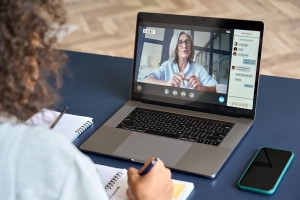
Virtual instruction supports learning around the preparation room experience, especially in the following areas:
- Anatomy pathway comprehension linked to arterial and cavity treatment logic
- Scenario-based case analysis and documentation exercises
- Exposure control drills, including proper donning and doffing of PPE
- Compliance-focused communication simulations tied to consumer protection standards
- Restorative art planning through photo-driven case studies and color application sequencing
Students who enter lab intensives after structured simulation often show stronger procedural flow and situational awareness. Faculty can then concentrate on refining technical execution rather than reviewing foundational sequencing.
Expanding Access Through Online Funeral Service Programs and Hybrid Models
Online funeral service programs have expanded access to students who require flexibility while maintaining academic structure.
Theory-based courses are delivered through learning management systems with structured deadlines, interactive case discussions, and proctored assessments; required labs and clinical experiences remain in person.
In a meta-analysis issued by the U.S. Department of Education, learners in online settings posted slightly higher average outcomes than peers in purely in-person classes, and courses that combined online and classroom instruction stood out as especially effective.
Hybrid delivery in modern mortuary science education reflects that finding, pairing digital coursework with supervised, hands-on training.
Working adults, career changers, and students balancing family responsibilities often benefit from this structure. Flexible scheduling does not mean reduced standards; it reflects a design that aligns academic instruction with professional expectations.
Integrating Mortuary Science Training Technology That Mirrors Real Funeral Home Operations
After graduation, many former students enter offices and facilities where documentation flows through electronic systems, reporting is automated or standardized, and compliance is tracked inside digital workflows. Mortuary science training technology increasingly mirrors those systems so students are prepared for real workflows rather than theoretical exercises.
Electronic Death Registration Systems, described by national public health authorities as secure web-based platforms, streamline the submission and amendment of death records.
Assignments that simulate digital case entry teach how information moves between funeral directors, medical certifiers, and registrars; accuracy in this communication directly affects both families and legal processes.
Funeral director technology training also addresses a number of consumer protection and safety standards. Software-based scenarios can guide students through itemized pricing disclosures required under federal regulations, reinforcing proper documentation habits in a structured format.
Workplace safety education benefits from digital modules that track completion and reinforce measurable standards. OSHA’s formaldehyde standard allows a maximum exposure of 0.75 ppm over an 8-hour period; interactive training modules can help reinforce ideas about ventilation, monitoring, and choosing protective equipment.
Health authorities occasionally alter their recommendations when they identify new contagious threats. Scenario-driven instruction allows programs to update training quickly and test recognition, escalation procedures, and documentation practices without waiting for a scheduled lecture cycle.
Preparing for a Career in Funeral Service Through Technology-Driven Education

Technology in funeral service education shapes how students build competence, document learning outcomes, and practice within realistic digital environments.
Digital learning in mortuary school supports repetition, regulatory awareness, and structured feedback while preserving the human-centered values of the profession. Today’s mortuary science programs stitch together high-fidelity lab simulations, remote modules, and closely mentored clinical hours into one clear, progressive route to practice.
At AAMI, we integrate mortuary science training technology with required hands-on labs and clinical experiences so our students graduate prepared for licensure, regulatory expectations, and the day-to-day realities of funeral home operations.
If you’re ready to pursue a meaningful and stable career in funeral service, we invite you to apply to AAMI and take the next step in your professional journey.