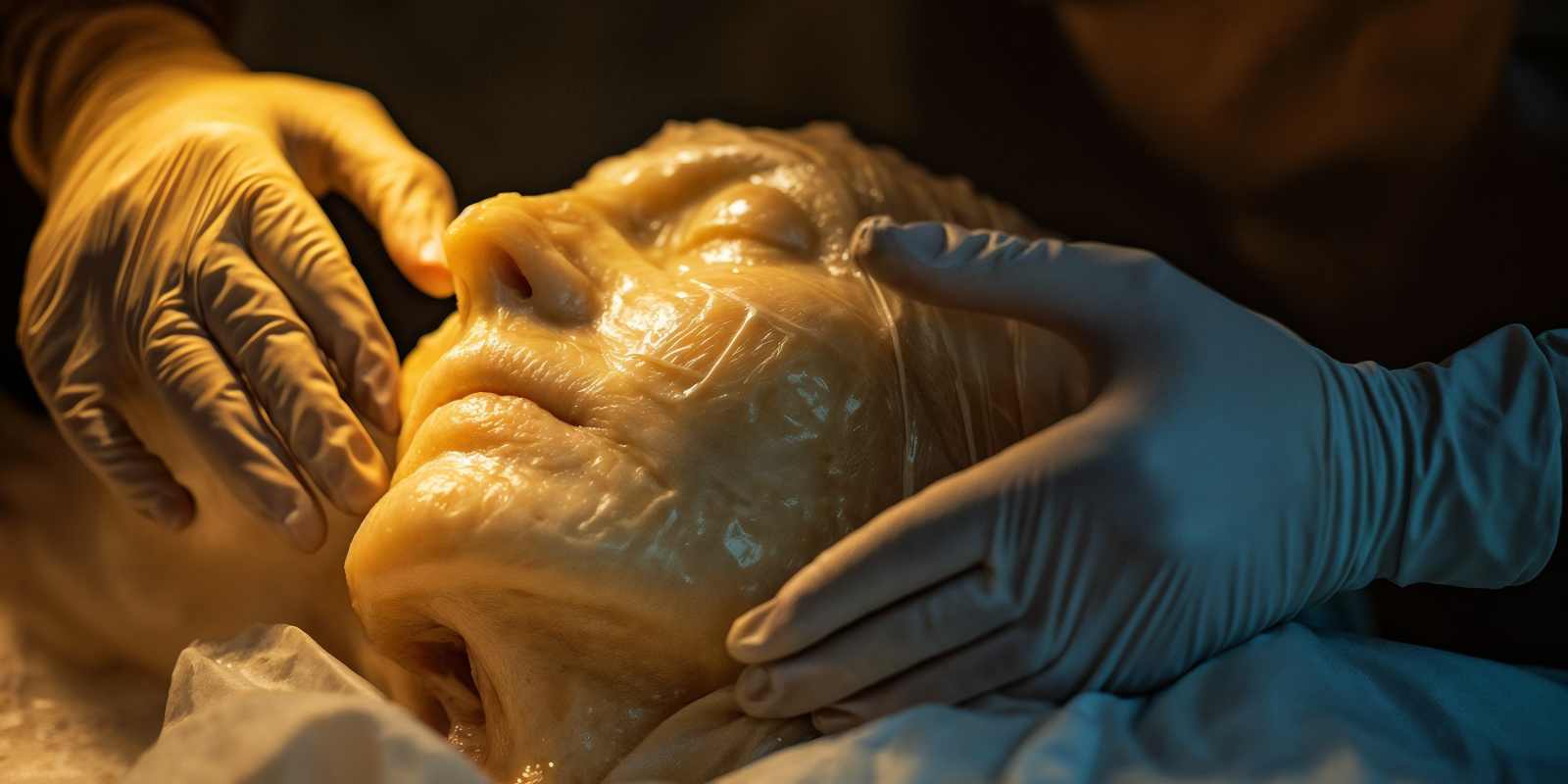

Funeral service training in restorative art (opens in a new window) brings together elements of anatomy, visual judgment, color theory, and compassionate care.
For students drawn to the hands-on side of funeral service, restorative art training in mortuary school shows how technical education is necessary so that viewings are carried out with dignity, accuracy, and respect.
| In This Article: A closer look at restorative art reveals how classroom learning, lab practice, and ethical preparation converge in one of the most detailed skills in funeral service. Readers will gain a clearer view of the techniques students study and the personal care that goes into this work. |
|---|
What Restorative Art Means in Funeral Service
Restorative art focuses on restoring or improving a deceased person’s natural appearance when viewing is part of the family’s plan.
Work may involve feature setting, tissue building, color correction, cosmetic application, hair placement, wax modeling, and reconstruction after illness, injury, or physical change.
Funeral cosmetology and restorative techniques require careful observation. The goal is to support recognition, dignity, and a peaceful final memory for loved ones.
Professional preparation is weighted with deep emotional meaning. A viewing may help families acknowledge a death, as they gather together to remember the loved one beyond the circumstances surrounding the loss.
How Funeral Programs Teach Restorative Art
The U.S. Bureau of Labor Statistics notes an associate degree in funeral service or mortuary science (opens in a new window) is the typical entry-level education for morticians, undertakers, and funeral arrangers. The 2024 median annual wage was $49,800 (opens in a new window) for those occupations.
Funeral programs teach restorative art as part of a broader curriculum. Students usually study anatomy, pathology, embalming, chemistry, ethics, funeral directing, and communication before applying those lessons to restorative coursework.
Funeral service education in restorative art puts what you learn in school into practice. Students learn how tissue changes, disease, trauma, dehydration, swelling, and chemical effects can influence appearance. Those lessons guide decisions about materials, cosmetics, and preparation methods.
The Science Behind Facial Reconstruction
Restorative art begins with the structure of the human head and face. Students study bones, muscles, proportions, profiles, skin tone, and the placement of natural features.
A trained funeral professional needs to understand what a person looked like before any restoration begins.
Facial reconstruction in funeral service may involve using photographs, measurements, and anatomical references to guide preparation. Students learn to evaluate symmetry, contour, expression, and proportion.
Small restorative decisions can determine whether the person appears peaceful, familiar, and natural to the family.
Pathology also plays a role, as long-term illness can change tissue fullness, skin color, and facial shape. Trauma may require wound treatment, feature support, or reconstruction. Proper training helps students approach each case with the skill and restraint required.
Restorative Art Skills Students May Practice
Generally, mortuary science coursework often includes science, embalming, funeral directing, law, ethics, and communication, giving students a broad foundation for professional preparation. Restorative art coursework (opens in a new window) often includes lab-based training with models, instruments, cosmetics, and case scenarios.
| Skill Area | What Students Learn |
|---|---|
| Facial feature analysis | Proportion, symmetry, expression, and natural placement |
| Wax modeling funeral preparation | Rebuilding contours, shaping features, and blending edges |
| Color theory | Correcting discoloration, matching undertones, and applying cosmetics |
| Tissue building | Supporting areas affected by illness, injury, or dehydration |
| Photographic reference | Using images to guide accurate restoration choices |
| Ethical assessment | Knowing when, how, and why restorative work should be performed |
Wax modeling is especially detail-oriented. Students may practice shaping small areas, rebuilding contours, smoothing transitions, and matching texture. The work takes patience, steady hands, and an understanding of how light affects appearance.
Color theory adds another layer of skill. Funeral cosmetology may involve neutralization, layering, opaque coverage, drying treatment, or specialized creams and powders. Students learn how lighting, skin tone, and preparation chemicals can affect the final result.
Ethics, Family Communication, and Professional Responsibility

Restorative art for funeral directors requires honesty and care. Families may ask what’s possible, what viewing may look like, or how much restoration can be done after illness or injury.
Clear communication helps families make informed decisions. The Federal Trade Commission’s Funeral Rule states that embalming generally isn’t required by law except in certain special cases (opens in a new window), though it may be needed for arrangements such as viewing. Funeral service program coursework includes law and ethics because preparation room decisions are closely connected to family trust.
Respect also guides the work. Students learn to avoid overpromising, protect privacy, and approach each person with dignity. Technical skill means little without exceptional professional judgment.
Where Craft Meets Calling
Students drawn to restorative art often have patience and a sincere interest in helping families through meaningful work. The field brings together anatomy, artistry, and family care in work that carries real emotional purpose.
Restorative art funeral service training gives future professionals a practical way to apply anatomy, embalming knowledge, cosmetics, and compassion. Funeral service education and restorative art coursework can prepare students to support families through one of the most sensitive parts of final care.
At AAMI, our funeral service education supports students seeking flexible, career-focused preparation grounded in tradition, ethics, and professional readiness.
With an associate degree in funeral service, online and hybrid learning options in qualifying states, and strong financial aid availability for eligible students, AAMI can help you build the foundation (opens in a new window) for a meaningful future in funeral service.