
Modern funeral directing requires a thoughtful balance between honoring long-standing traditions and offering refined, contemporary services tailored to each family. As cultural norms, technology, and family expectations evolve, funeral directors must find ways to integrate innovation while preserving the dignity, rituals, and compassionate care that define the profession.
Students pursuing mortuary science degrees, as well as current funeral professionals, learn to combine time-honored customs with tasteful new technologies, personalized service options, and cultural sensitivity. While traditions remain the foundation of funeral service, the ability to adapt and modernize has become a hallmark of successful funeral directing in 2025 and beyond.
In this article you will learn how modern funeral directors:
- Balance respected funeral traditions with contemporary service offerings
- Incorporate technology to enhance accessibility, personalization, and family connection
- Adapt to evolving cultural expectations while maintaining dignity and compassion
- Prepare for a future in funeral service that honors both heritage and innovation
Discover how accredited funeral service education programs equip students to integrate innovation thoughtfully without losing sight of the profession’s enduring values.
Honoring The Traditions That Define Funeral Service
Funeral services have evolved over thousands of years, yet the core principles of dignity, respect, and reverence for the deceased remain timeless. While funeral service as a recognized profession has existed for roughly two centuries, the rituals, cultural observances, and ethical standards established by early funeral professionals continue to guide today’s funeral directors.
At the heart of these traditions are enduring values such as empathy, compassion, and ethical care. Regardless of technological advances or shifting cultural attitudes, families rely on funeral directors to uphold these principles during one of life’s most vulnerable moments. The emotional foundation of funeral service, offering comfort, guidance, and stability, remains unchanged, even as methods and techniques continue to evolve.
Key Insight
Innovation and modern conveniences should enhance, not replace, the time-honored traditions that define funeral service. Every funeral professional must ensure that technological and cultural updates maintain the dignity, respect, and compassionate care that families expect from a skilled funeral director.
Embracing Innovation In Modern Funeral Directing
While funeral service is rooted in long-standing traditions, thoughtfully applied technology can enhance the family experience without compromising integrity or dignity. Modern funeral directors can leverage innovations such as livestreamed services, enabling friends and family who are distant or have mobility challenges to participate in memorials alongside loved ones. With the right digital infrastructure, arrangements can also be coordinated and managed online, providing convenience and accessibility while maintaining a personal touch.
Digital memorials are another example of innovation in funeral service. These online spaces allow friends and family to share stories, photos, and videos, sign guestbooks, or leave tributes. Some modern memorials even include QR code integration linked from the headstone to the tribute page, creating a lasting, interactive remembrance that complements traditional ceremonies.
By embracing technology, funeral directors can provide more personalized, accessible, and versatile services while still honoring the rituals and customs families expect. Importantly, these innovations should always be family-driven, as some may prefer traditional, low-technology services to preserve a sense of closure and respect.
Key Takeaway
Integrating technology thoughtfully allows funeral directors to expand the reach and personalization of their services. These tools should be offered transparently and always as optional enhancements, ensuring families maintain full choice in honoring their loved ones.
Adapting To Changing Family Expectations
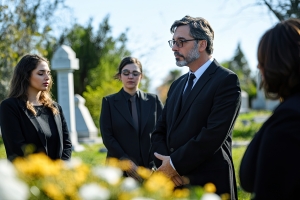
Modern funeral directing requires more than honoring traditions; it demands sensitivity to the unique cultural, religious, and personal beliefs of each family. Today’s families often seek personalized funeral experiences, moving away from standardized packages toward services that reflect their values, memories, and lifestyles. Funeral directors who listen carefully and adapt with empathy help families feel understood and supported during the grieving process.
At the same time, funeral directors must uphold professional responsibilities, including completing legal documentation, coordinating with venues, and maintaining ethical standards. Balancing these duties with family preferences is essential. Modern funeral services may incorporate nontraditional ceremonies, distinct religious rites, or eco-friendly burial options, all while ensuring compliance with state regulations and ethical guidelines.
Key Takeaway
Successful funeral directors act as both guides and listeners, combining compassionate care with professional accountability. By honoring ethical standards while adapting to each family’s needs, directors provide meaningful, personalized experiences that respect tradition and meet modern expectations.
Preparing For The Future Of Funeral Directing
The profession of funeral services continues to grow and develop and today’s funeral directors must be equipped with a solid foundation in traditional practices while embracing modern technology to meet the diverse needs of families. Accredited programs, such as AAMI’s Associate Degree in Funeral Service, provide students with comprehensive training in both the technical and interpersonal aspects of funeral care. Coursework, internships, and apprenticeships emphasize leadership, adaptability, and lifelong learning, traits essential for success in modern funeral directing.
Next Steps
New students, career-changers, and current funeral professionals alike can benefit from continuing education opportunities at institutions such as AAMI to prepare for the future of funeral directing, both in terms of their business and the industry as a whole. Learning is not a one-time requirement but a lifelong investment in the skills needed to provide compassionate care.
Build a Future That Honors The Past With An Accredited Mortuary Science Degree

AAMI offers funeral service education that honors the profession’s rich heritage while preparing students to meet the demands of a modern, evolving industry. Our programs emphasize the balance between time-honored traditions and innovative practices, ensuring graduates are equipped to provide compassionate, personalized care in today’s diverse funeral landscape.
With flexible online, on-campus, and hybrid learning options, AAMI delivers a career-focused academic experience tailored to new students, career-changers, and veterans alike. Our dedicated faculty guide each student through rigorous coursework, internships, and apprenticeships, cultivating the skills, empathy, and professionalism necessary to excel as a funeral director.
Take The Next Step
Discover how AAMI helps future funeral directors combine tradition with innovation and launch a meaningful, rewarding career. Learn more or apply at AAMI.edu.